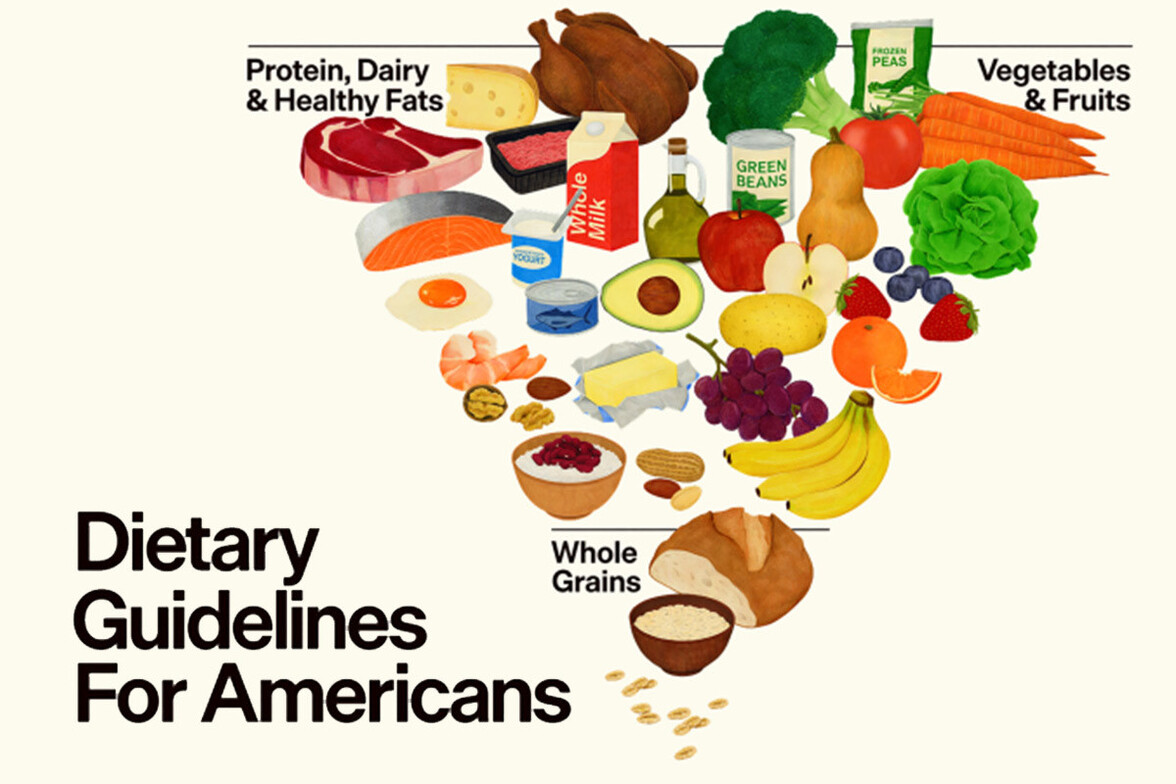
As a chiropractor at Kissimmee Family Wellness Center, I see daily how deeply nutrition affects pain, inflammation, recovery, and overall health. The newly released 2025–2030 Dietary Guidelines for Americans, hosted at realfood.gov, mark a long-overdue reset. For the first time in decades, the federal government is openly telling Americans: eat real food.
This shift didn’t happen by accident. A huge thank-you goes to Robert F. Kennedy Jr., whose relentless advocacy for real food, transparency in nutrition policy, and exposing the influence of processed-food industries helped drive these changes. His work has helped flip the script on decades of misguided dietary advice that prioritized grains and processed products while demonizing animal foods.
The bottom line is simple: eat real food. Ask yourself one question: Does it come from the farm or the factory?
- Farm food is single-ingredient, whole, and natural — meat, eggs, dairy, vegetables, fruit, honey — with no ingredient list to read because nothing has been added.
- Factory/processed food comes with a label full of chemicals, added sugars, industrial oils, and preservatives. If you have to read a long ingredient list to know what’s in it, maybe you shouldn’t be eating it.
Protein Is King
The new pyramid places high-quality protein at the foundation — and rightly so. When you go to a restaurant, the menu is listed based on protein: meat, fish, chicken with a side. That’s how it should be at home too. Protein from animal sources (grass-fed beef, wild-caught fish, pasture-raised poultry, eggs) provides essential amino acids for muscle repair, hormone balance, immune function, and blood sugar stability. As a chiropractor, I see how adequate protein supports tissue healing and reduces inflammation in patients dealing with back, neck, and joint pain.
Healthy Fats for Fuel and Satiation
Add in healthy fats for sustained fuel and satiety. The guidelines finally end the war on saturated fats, embracing natural sources like butter, tallow, lard, egg yolks, avocados, olives, and nuts. This aligns perfectly with Dave Asprey’s Bulletproof Diet, which emphasizes 50–70% of calories from healthy fats for steady energy, mental clarity, and reduced cravings — a metabolic state that supports physical recovery and brain health.
Not All Carbs Are Bad
All carbs are not bad — think fruit and honey. These natural sources provide vitamins, fiber, and quick energy without the inflammatory load of processed carbs. Go ahead and eat some of the less toxic vegetables (leafy greens, cruciferous, colorful options), but don’t go crazy.
Ditch the Grains
Get rid of the grains (wheat, rye, barley, oats, corn, rice) in general. Maybe a little white rice a couple days per week would be the least toxic option. The guidelines still include whole grains in moderation, but experts like Dr. William Davis (Wheat Belly) and Dr. David Perlmutter (Grain Brain) go further. Davis argues that modern wheat, genetically altered for yield, triggers widespread inflammation, obesity, diabetes, and chronic disease through compounds like amylopectin A and gliadin. Perlmutter links grains to brain inflammation, dementia, anxiety, depression, and neurological disorders — calling Alzheimer’s “type 3 diabetes” from high-carb diets. Both recommend eliminating grains for better health.
Historically, the peasants got oats, the king got the beef. If you did a little better, maybe your family got some chickens, then a goat or pig, and if you did really well, you got a cow. It’s the opposite of what we’ve been taught — that beef is bad, eggs are bad, animal fats like butter are bad, and salt is bad. But it turns out they should be the base of the pyramid and the basis of your diet. This reversal is echoed in Chris Palmer’s Brain Energy, where he shows mental disorders are metabolic issues, and ketogenic diets (high fat, low carb) using ketones for brain fuel can dramatically improve anxiety, depression, and more.
As a chiropractor, I see the connection every day: chronic inflammation from processed foods and grains can worsen pain, slow tissue healing, and contribute to conditions like sciatica, shoulder tension, and headaches. Embracing real food — protein, fats, fruits, minimal vegetables, and almost no grains — can reduce inflammation, support recovery, and improve overall wellness.
Ready to flip your nutrition script? Start by evaluating your plate: farm or factory? For personalized guidance on how nutrition can support your chiropractic care, text ‘APPT’ to (407) 847-4101 to schedule a visit at Kissimmee Family Wellness Center. Let’s make America healthy again — one real meal at a time.
Thank you, Robert F. Kennedy Jr., for helping push these changes forward.