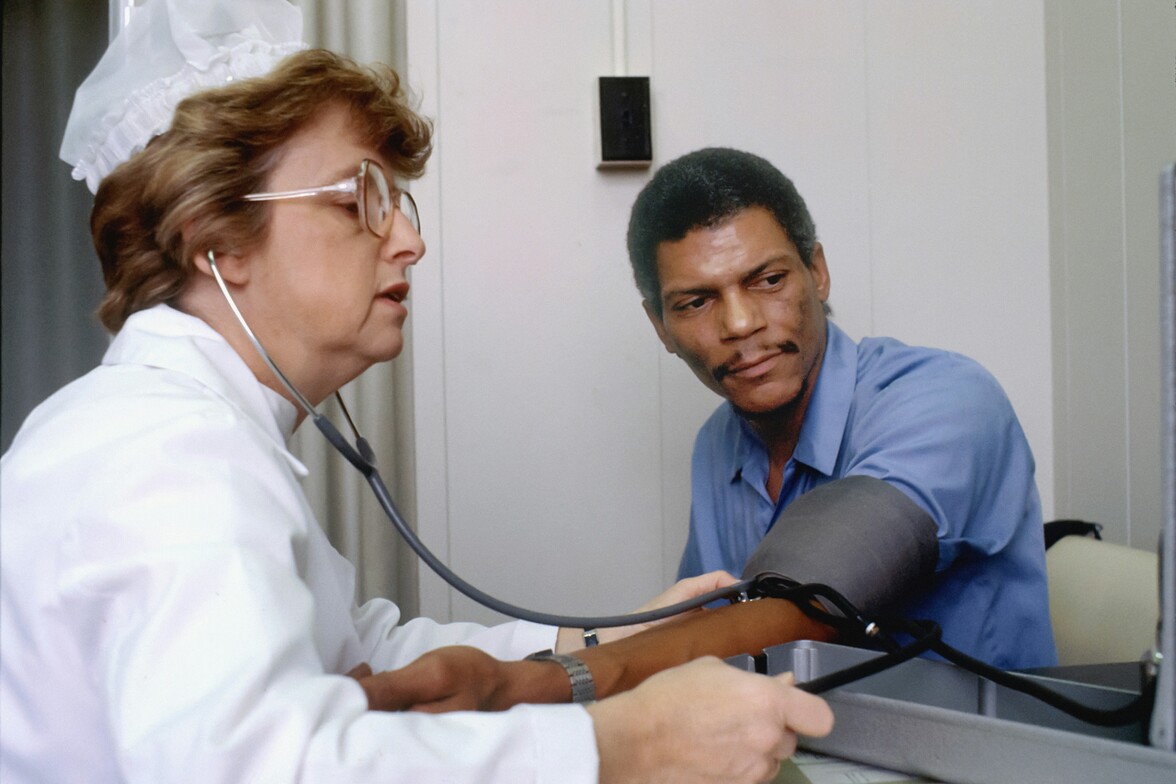
A patient asked me last week: “Doc, why is my blood pressure still high even though I’m exercising and watching my salt intake?”
The answer often lies in five hidden triggers that standard check-ups rarely test. These are the root causes backed by the latest research from sources like the American Heart Association, Mayo Clinic, and peer-reviewed studies in PubMed.
Important disclaimer:
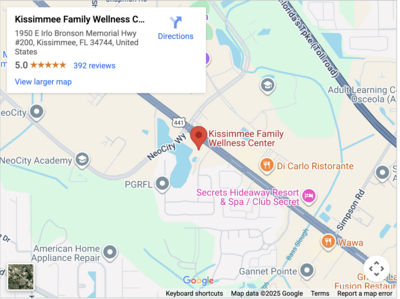
If your blood pressure is seriously elevated (160/100 or higher) or you have symptoms like chest pain, severe headache, or vision changes, follow your physician’s advice and take prescribed medication immediately to prevent a stroke or heart attack. Once it’s in a safer range, many patients work with their doctor to reduce medication while adding these evidence-based strategies. At Kissimmee Family Wellness Center, we don’t treat or prescribe for high blood pressure—that’s your physician’s role. We help your nervous system and spine function optimally so your body responds better to these changes.
Here are the 5 hidden triggers and practical steps to address them:
1. Insulin Resistance (the #1 hidden driver)
Elevated insulin from chronic high-carb diets thickens and stiffens arteries, driving up pressure. A 2025 review in Medical News Today and Johns Hopkins Medicine highlights how cutting refined carbs and sugars—especially fructose from soda and processed foods—can lower systolic pressure 10–15 mmHg in weeks.
Action: Swap sugary drinks for water or herbal tea; aim for 50–100g carbs/day from veggies and whole grains. Track with a simple app like MyFitnessPal.
2. Magnesium Deficiency
Up to 80% of people are low in magnesium, which relaxes blood vessels. Studies in PubMed and Mayo Clinic show 300–400 mg daily (glycinate form) can reduce systolic pressure 4–9 mmHg.
Action: Add magnesium-rich foods like bananas, avocados, or dark chocolate. Supplement if needed (consult your doctor first, especially if on meds).
3. Omega-3 Shortage
Low omega-3 levels lead to inflammation and stiff arteries. A 2025 AHA scientific statement and Verywell Health review found 2–4 grams of EPA/DHA from fish oil daily drops pressure as much as some medications, with bonus brain and heart protection.
Action: Eat fatty fish twice weekly or take a high-quality fish oil (look for 1,000+ mg EPA/DHA per serving).
4. Vitamin D Deficiency
Even in sunny Florida, low vitamin D is linked to higher pressure (per Johns Hopkins and Times of India 2025 reports). Aim for 2,000–5,000 IU D3 daily (with K2 for absorption) to see measurable improvements.
Action: Get 15 minutes of midday sun exposure or test levels with your doctor for personalized dosing.
5. Chronic Stress & Poor Sleep
One week of bad sleep can spike pressure 10–15 mmHg (Mayo Clinic and AHA data). Stress keeps you in fight-or-flight, constricting vessels.
Action: Walk 30 minutes daily, practice deep breathing, and block blue light after sunset. Aim for 7–9 hours of quality sleep.
These steps align with the 2025 AHA guideline, which ranks aerobic exercise, salt reduction (focus on processed sources), and stress management as top non-drug approaches for lowering pressure 5–11 mmHg. Start with one or two—small changes add up fast.
Ready to feel better naturally while working with your doctor?
Text “APPT” to (407) 847-4101 — same-week appointments available.
To your health,
Dr. Bryon Moore, DC
Kissimmee Family Wellness Center
Serving Central Florida since 2002